Godfrey Wilmore (c. 1751–1815) lived a life that reflects the complexity of early American history—marked by enslavement, freedom, military service, migration, and faith. His story, reconstructed from wills, tax records, church registers, and family histories, emerges as a powerful example of resilience and transformation in colonial and early national America.
Early Life and Enslavement
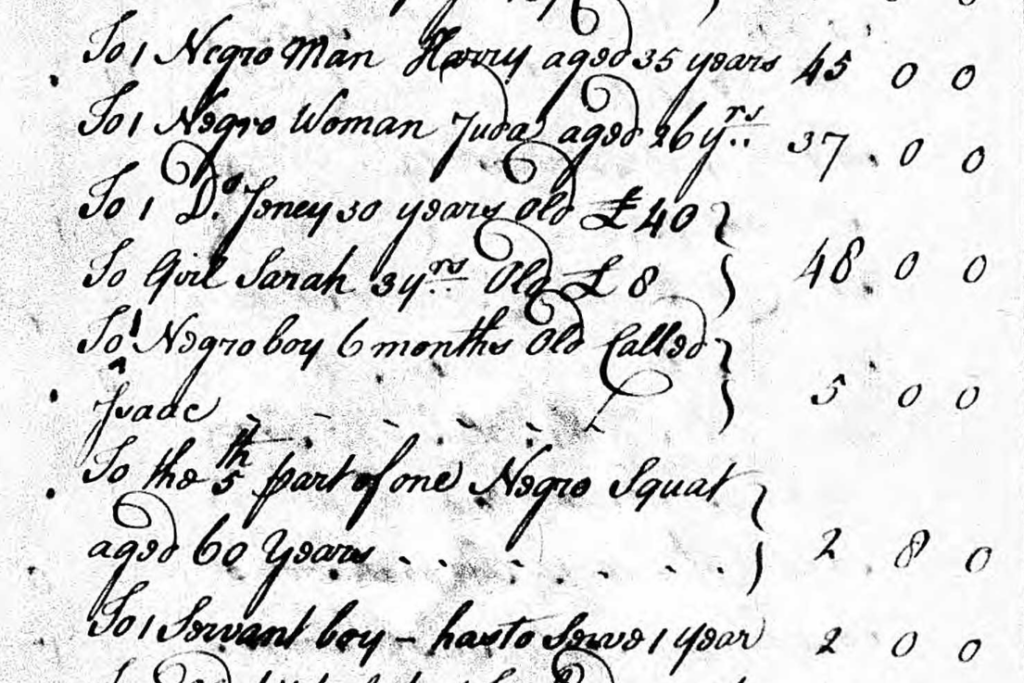
Godfrey Wilmore was likely born around 1751 in Harford County, Maryland, during a period when slavery was deeply embedded in colonial society. Evidence suggests that he was born into enslavement within the Wilmer family, a prominent Maryland landholding family. He may have originally been known as “Isaac,” an enslaved infant listed in estate records, before later being renamed Godfrey.
The Wilmer family’s extensive involvement in land ownership and slaveholding profoundly shaped Godfrey’s early life. As was common practice, enslaved individuals were treated as property and passed between family members. It is believed that Godfrey, along with a woman later known as Mary, remained within the Wilmer household into adolescence.
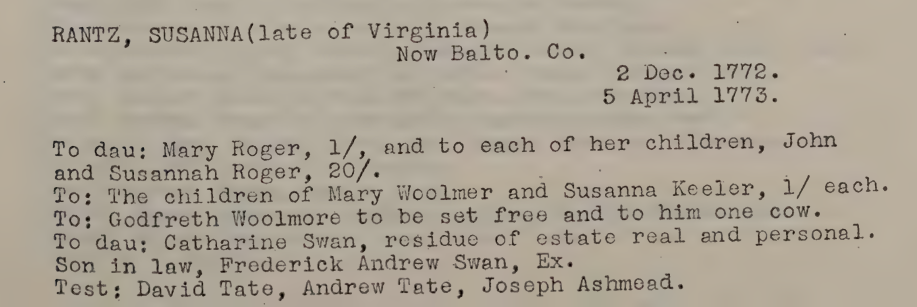
A pivotal moment in Godfrey’s life came in the early 1770s, when he was transferred—either sold or gifted—to Susanna Rantz, a widow living in Harford County. In her 1772 will, proved in 1773, Susanna Rantz granted Godfrey his freedom and even bequeathed him a cow, a modest but meaningful start toward independence.
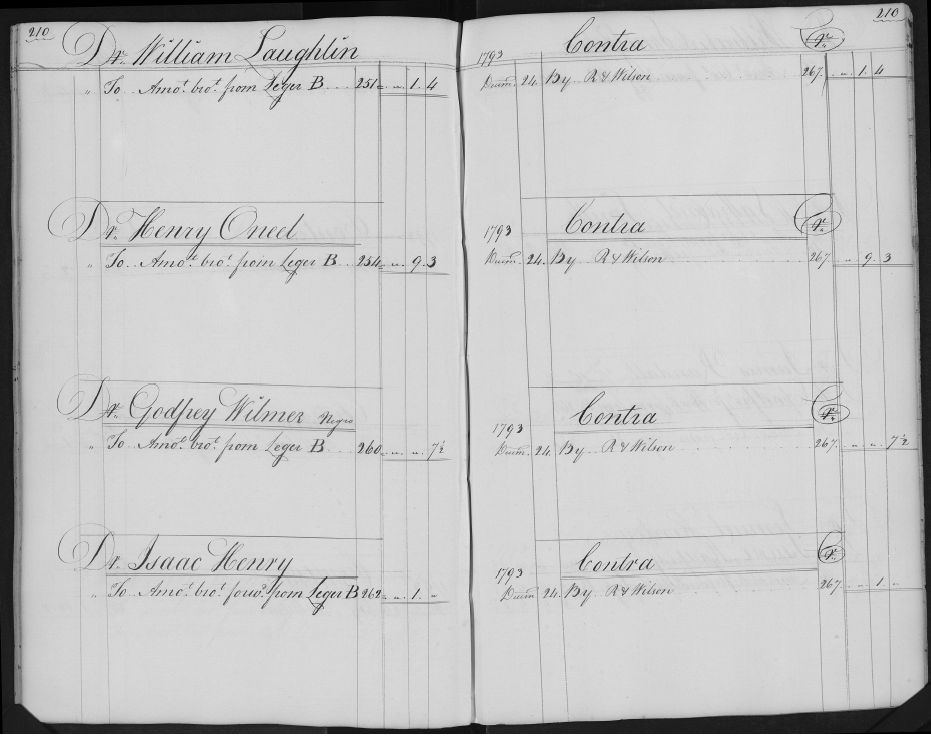
There is also evidence of a guardianship bond established on Godfrey’s behalf, which may have matured when he reached adulthood. This fund likely provided him with financial resources that later enabled him to acquire property—an extraordinary achievement for a formerly enslaved man in the 18th century.
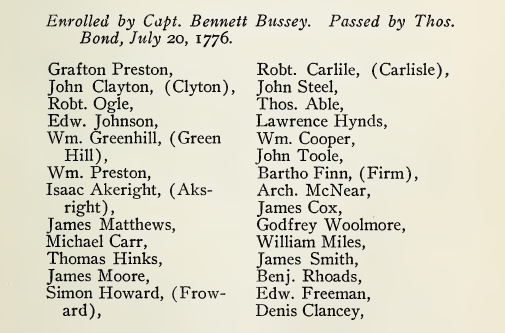
In 1776, at the outset of the American Revolution, Godfrey enlisted in Captain Bennett Bussey’s Battalion as part of the Maryland “Flying Camp,” a mobile military force designed for rapid deployment.
During his service, Godfrey participated in several important campaigns, including:
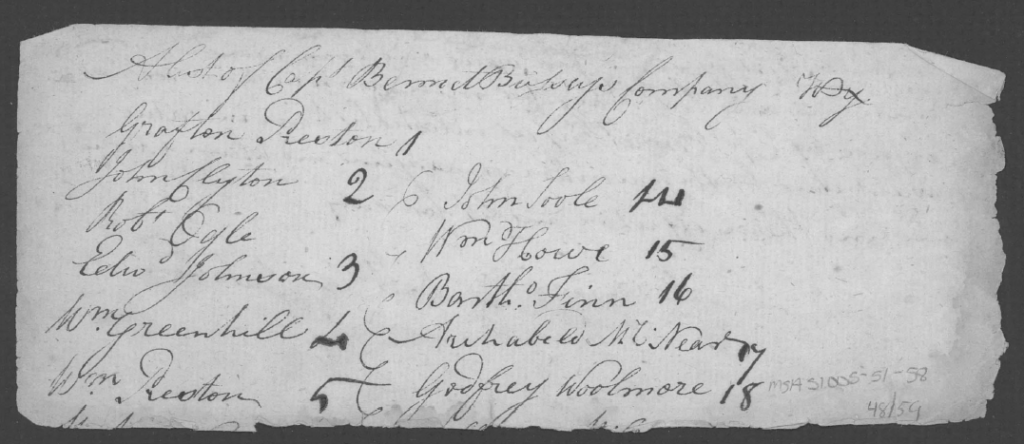
- The defense of Maryland’s coastline against British invasion,
- The New York and New Jersey campaign,
- And possibly the iconic campaigns at Trenton and Princeton alongside George Washington.
Though the Flying Camp was disbanded by the end of 1776, this service placed Godfrey among those who directly contributed to the founding of the United States.
Following the war, Godfrey returned to civilian life in Harford County. Tax assessments and census records reveal that by 1783 he owned livestock and personal property and was living in a household that likely included a woman named Mary and her children.
Evidence suggests that Godfrey may have had two relationships:
- An earlier connection with a woman known as Mary Woolmore, possibly also formerly enslaved,
- And later a marriage to Mary Higgins, an Irish Catholic indentured servant, although documentation for Higgins remains elusive.
By 1790, Godfrey appears in the first United States census as the head of a household that included multiple female family members, indicating a growing family structure and stability.
In the late 18th and early 19th centuries, Godfrey established himself as a landowner in Maryland—another remarkable milestone given his beginnings. Records show that he was buying and selling land in Harford County as late as 1804.
These transactions demonstrate that Godfrey transitioned from enslavement to full participation in the economic life of his community, an achievement that was rare and difficult for African Americans of his era.
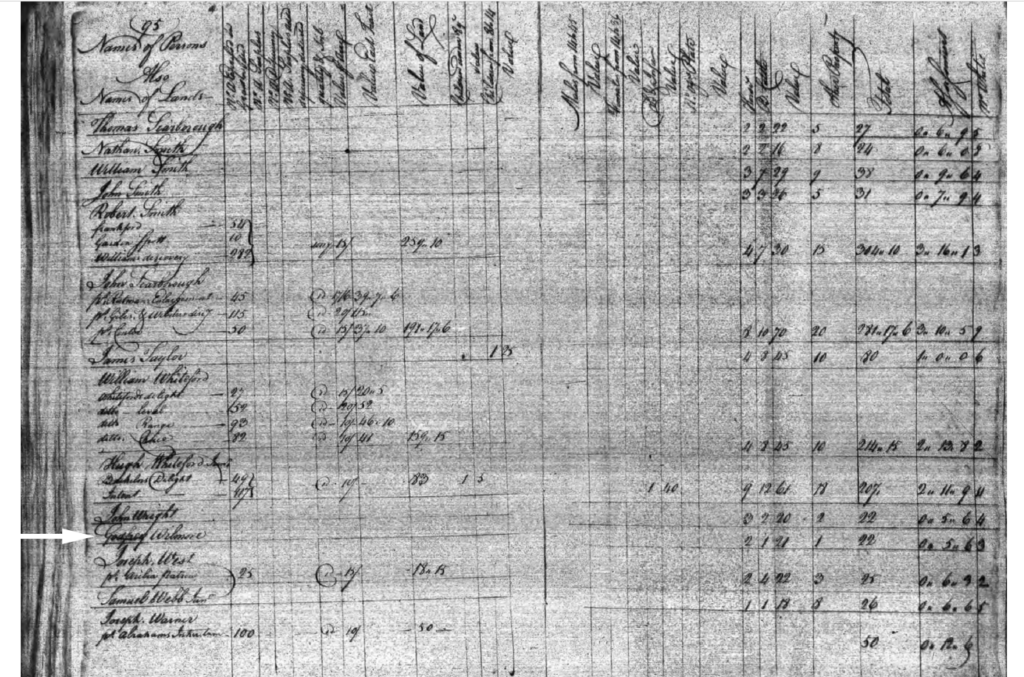
Sometime after 1804, Godfrey and his family migrated west to what is now Cambria County, Pennsylvania. This move was likely influenced by several factors:
- Connections to fellow Maryland veterans and settlers,
- The promise of affordable land,
- And greater religious freedom for Catholics in Pennsylvania.
This migration placed Godfrey at the edge of the American frontier, where new communities were forming in the early republic.
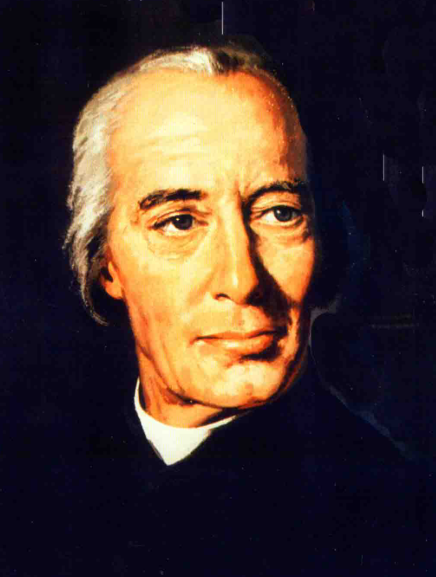
In Pennsylvania, Godfrey developed a close relationship with Father Demetrius Gallitzin, a Catholic missionary priest who played a key role in the settlement of Loretto.
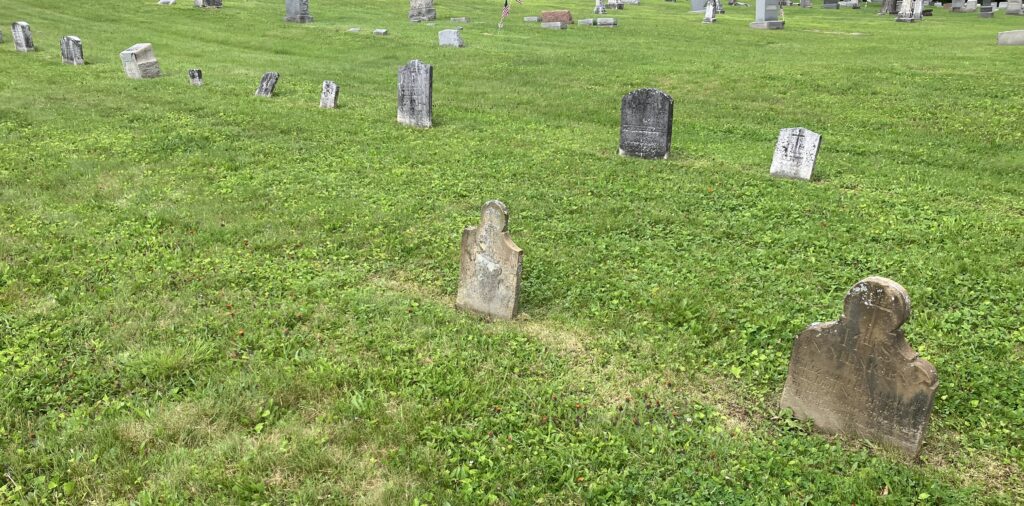
In 1813, just two years before his death, Godfrey was formally baptized into the Catholic Church. This conversion marked a significant spiritual milestone late in his life. Godfrey Wilmore died on April 2, 1815, and was buried in St. Michael’s Cemetery in Loretto. His wife Mary died in 1822 and was buried nearby.
Bibliography – All the sources that were consulted in the construction of this history.